
The comforting “melting pot” of the early 20th century has been replaced with the modern realization that different cultures thrive together more like a salad bowl; coexisting but distinct, like the ingredients of a salad that retain their unique flavors and textures, while contributing to the whole dish.
We often take for granted the fact that today’s Texas lifestyle is built on the foundation of the deep roots of the past. Customs integrated into our daily life are derived from those traditions.
HISPANICS & TEJANOS • TEXAS’ LARGEST DEMOGRAPHIC
Tejanos were Texas’ original settlers. Spanish for “Texan,” the name refers to those of Mexican descent born or living in Texas.
- San Antonio, Amarillo, and Llano are just some of the Latin named cities. The most well-preserved cluster of Spanish Colonial missions in the world is in San Antonio.
- Some Tex-Mex food favorites are tamales, tacos, burritos, enchiladas, and fajitas. Salsa, Spanish for “sauce” is the official state snack of Texas.
- Celebrations like Cinco de Mayo, Día de los Muertos, and Las Posadas have become familiar parts of life in Texas—not because they were imported later, but because Mexican culture has always been part of the state’s foundation.
- Spanish ranching and horsemanship traditions were the basis for the cowboy culture. So even classic “cowboy English” often has Spanish roots: mustang, lasso (from lazo), bronco, buckaroo (from vaquero), stampede, and corral.
- Many Latin words are a part of daily life: canyon, patio, rodeo, fiesta, plaza, tornado, and even cafeteria and vanilla.
NATIVE AMERICAN TRIBES
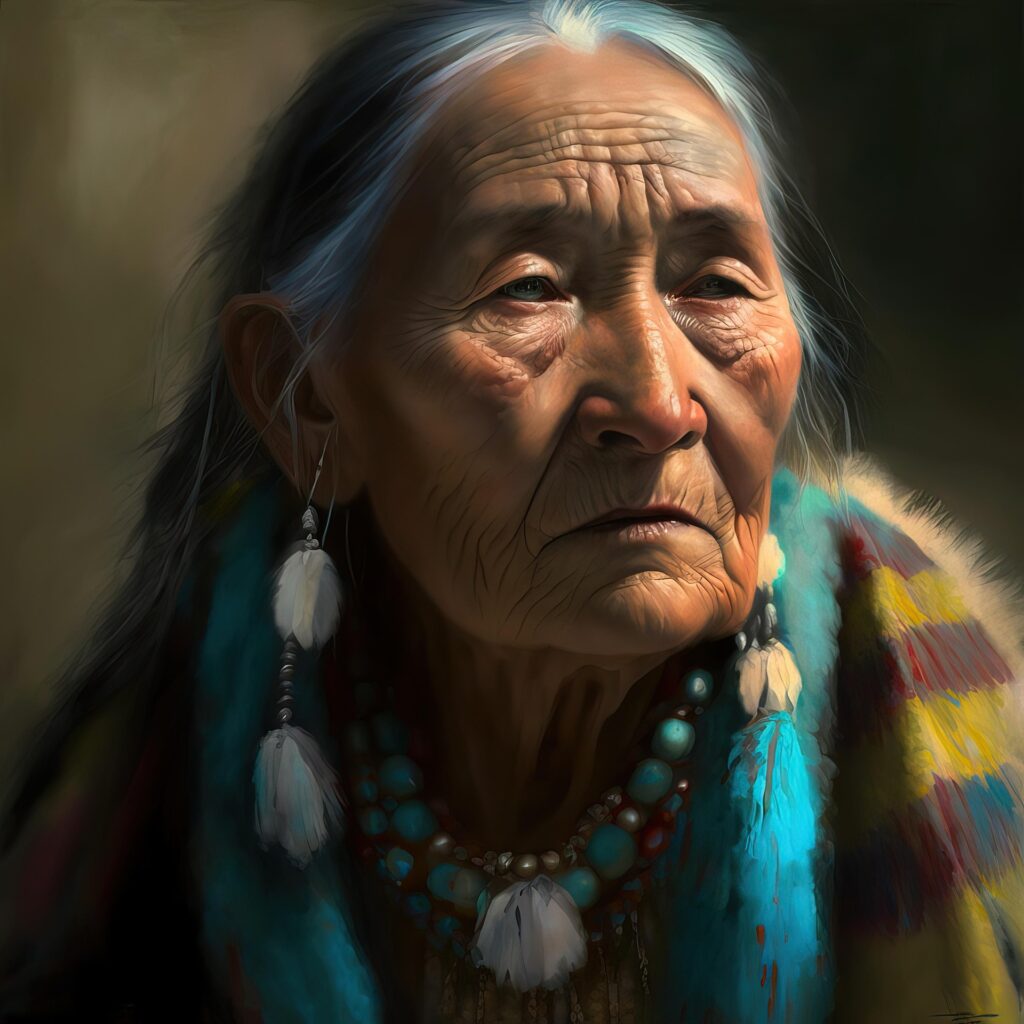
The Caddo were just one of the indigenous tribes that developed farming techniques and trading networks. Waco, Nacogdoches, and Waxahachie are just some of the cities with names from indigenous languages. Native American land use practices, such as controlled fires and rotational grazing, were the basis of ecological techniques.
Some Native American trade routes were the basis of Texas highways, such as the Old San Antonio Road developing into Texas Highway 21.
GERMAN AND CZECH ROOTS
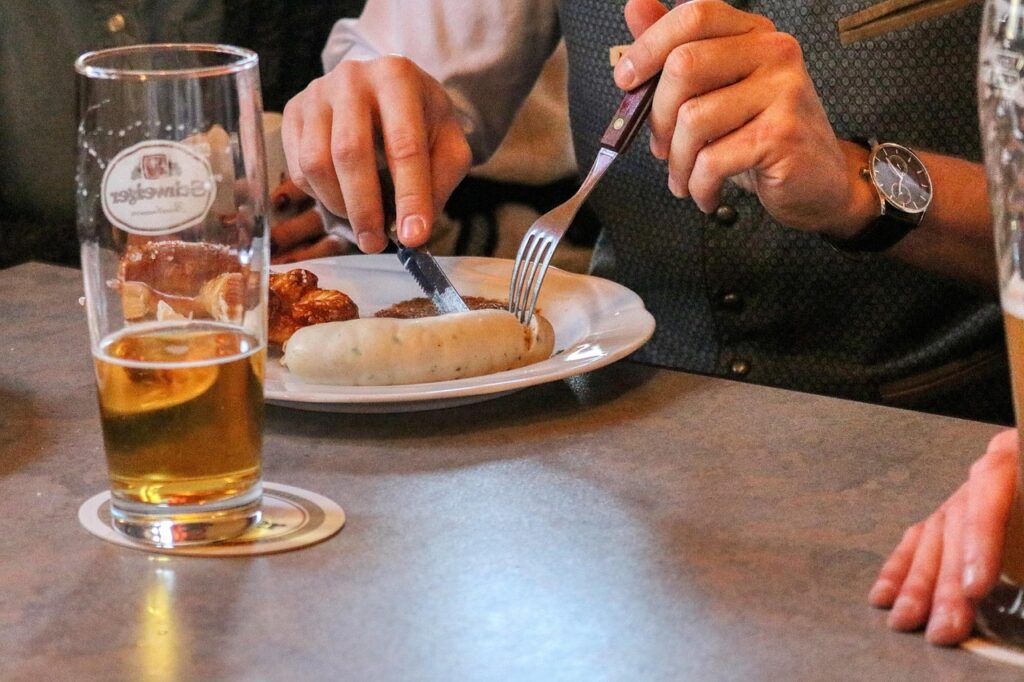
Professional beer brewing techniques made way for beer gardens and a bringing together of communities. Sausage, sauerkraut, and kolaches – hand-held pastries–remain traditions in the Hill Country, especially at Oktoberfest and Wurstfest. The National Polka Festival and the Polka Lovers Club of Texas still preserve this dance music. Traditional, staple construction featured wooden beams and steep roofs.
Communities formed around beer gardens and dance halls that later welcomed musicians
from across Texas traditions.
VIETNAMESE IMPACT
The Vietnamese helped revitalize the shrimping and fishing industries in the Gulf Coast. The third largest Vietnamese population in the United States is in Houston. The culture is known for cultivating family run businesses, a strong sense of community, and the preservation of language and heritage. Celebrations such as Lunar New Year, which marks the arrival of Spring, are embraced by all.
Vietnamese fishermen helped transform Gulf Coast seafood culture, giving rise to the Viet-Cajun
cuisine Texans love today.
BLACK TEXANS

Formerly enslaved Black cowboys became expert horse breakers, ropers, and trail drivers and were often the most skilled in a crew.
- Bill Pickett, the first Black cowboy inducted into the National Cowboy Hall of Fame, and Fred Whitfield, an eight-time World Champion in the Professional Rodeo Cowboys Association are just some of many Texas rodeo legends.
- Texas is the birthplace of Juneteenth, the commemoration of the end of slavery in the United States, celebrated on June 19th.
Blues and gospel later shaped Texas country, jazz, and rock traditions.
EVERY CULTURE BRINGS A DISH
Stop to buy a kolache in Amarillo, while celebrating Juneteenth.
Sing along to Mariachi music, on the radio to attend a polka festival.
Dine on sausage and sauerkraut before attending a fiesta: a Lunar New Year celebration.
Sit in a plaza at a gospel concert and enjoy garlic butter crawfish with lemongrass, a Viet-Cajun specialty.
Treat yourself to a beer and an enchilada, after hard work on the ranch, practicing native ecological techniques.