
Every parent sends their child to school with the expectation of safety, respect, and every opportunity for success.
As your state representative, I work to ensure legislative changes reflect the priorities of families and educators here in Williamson County. From strengthening parental involvement to closing gaps in student safety, several pieces of legislation, now law, address issues many of you have brought to my attention over the years.
A Closer Look at SB 12, SB 571, and HB 6
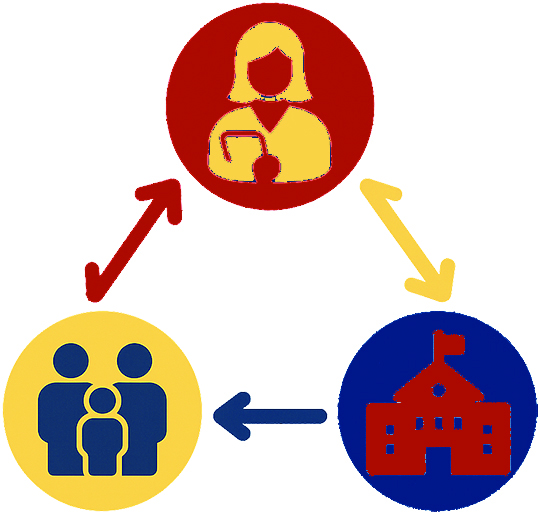
Together, Senate Bill 12, Senate Bill 571, and House Bill 6 are some of the most significant education reforms of the session. These bills deal with the relationship between families, teachers, and schools. These new laws cement parents’ entitlement to full transparency and teachers’ rights to maintain order in their classrooms with clear boundaries and responsibilities.
PARENT RIGHTS AND TEACHER PROTECTIONS
In recent years, educators were often asked to carry out duties tied to diversity or compliance programs that went far beyond classroom instruction. SB 12 removes those expectations and defines teachers’ roles more narrowly, giving them the freedom to concentrate on lesson planning, student engagement, and academic progress. With clearer rules, teachers are less likely to be placed in the middle of policy disputes or administrative confusion.
The new grievance process also benefits teachers. In the past, disputes often lingered or fell back on classroom staff without resolution. SB 12 establishes timelines and a step-by-step procedure that ensures concerns are directed to administrators and school boards rather than left unresolved at the campus level.
Teachers gain confidence that complaints will be handled fairly and consistently, which protects their time and professional integrity. When expectations are clear and processes are consistent, teachers can dedicate their energy to students instead of navigating conflicting demands.
To improve transparency and accountability, SB 12 requires districts to submit annual reports to TEA regarding resolutions and the number of grievances filed. The agency must then publish statewide data, making it clear if issues are being addressed fairly and consistently. This new level of transparency builds confidence, but it only matters if the information is easy for families to access and understand.
SB 12 also guarantees parental access to instructional plans, classroom materials, and library books. Schools are required to make this information available in a timely and consistent manner, preventing misunderstandings and ensuring parents can engage with teachers regarding curriculum. The law also restores the requirement for parents to “opt in” before their child participates in human sexuality instruction. This reverses the previous “opt out” approach, ensuring families make a conscious, informed choice about the introduction of these lessons. SB 12 broadens this by requiring parental consent before a child can receive healthcare services at school, whether that involves administering medication, counseling, or collecting biometric information.
The Texas Education Agency has been directed to adopt rules and procedures to guide districts in implementing the law. Those rules will make an important distinction between “health care services,” which require parental consent, and ordinary “health-related services” such as providing a bandage, applying ice, or offering a rest break. These everyday supports are part of the normal duty of care in schools, which should never be withheld. SB 12 was never intended to stop a nurse from helping a student who scrapes a knee or feels unwell. It was designed to ensure parents remain involved in sensitive medical or instructional decisions, such as mental health counseling or longer-term care.
STUDENT SAFETY AND REPORTING
While SB 12 codifies transparency and parental involvement, Senate Bill 571 addresses student safety where gaps in law previously allowed adult misconduct to slip through the cracks. SB 571 closes those gaps, strengthening oversight and setting higher standards for those working in schools.
One central reform is the expansion of the state’s Do Not Hire registry. In previous years, this registry primarily applied to certified teachers, which meant substitute teachers, bus drivers, contractors, and even employees in private schools were not always covered. Now, any adult who works in school settings and interacts with children in a public school, charter, or private program, must be vetted. That means peace of mind that students will not encounter individuals who should never be allowed to work around children.
SB 571 also tightens reporting requirements. In the past, many districts handled allegations internally, delaying or limiting investigations. SB 571 requires schools to report allegations of misconduct immediately to the TEA and law enforcement, not just ISD police. This ensures independent investigators review concerns early, preventing conflicts of interest. The law also requires more consistent monitoring of district compliance with reporting standards and case handling. It brings charter and private schools under the same rules as traditional districts, closing loopholes for overlooked misconduct. This uniformity ensures that bad actors cannot simply move from one type of school to another.
SB 571 also protects against false allegations, as even unfounded accusations can damage a teacher’s career and reputation. The law requires removal of unsubstantiated claims from personnel files, ensuring due process during investigations for educators. This is not about shielding wrongdoers but ensuring fairness and accountability for genuine misconduct.
Parents gain confidence that concerns are investigated promptly and independently. Teachers are assured of integrity and fair treatment. Students benefit from safer classrooms and better protection from those who do harm.
Discipline + Mental Health Access Reform
Finally, HB 6 addressed student removal for classroom misconduct, giving teachers better-defined guidelines for how to address severe misbehavior. To protect students’ rights and provide accountability, the law requires parent notification when a student is removed from class, and a conference with parents within three days. A “Return-to-Class” plan helps outline the responsibilities of all parties so that education may continue. HB 6 also made changes to in-school suspension (ISS), out-of-school suspension (OSS), and created a virtual expulsion (VEP). For more information on those changes, scan the code to visit Disability Rights Texas, which created a one-pager for parents and schools.
Major reforms raise important questions, and these new laws have generated thoughtful discussion. These conversations are not weaknesses in the law but opportunities to make sure implementation truly serves families and teachers. Passing a law is only the first step. The real test is how it works on the ground, and that requires continued oversight, communication, and willingness to adjust when necessary. My commitment is to keep listening to families and educators in Williamson County and ensure implementation strengthens trust in every classroom.
I will continue pressing for clear guidance from state agencies, listening to concerns, and advocating for policies that keep students safe, and families informed. Education is too important to leave to chance.
In Williamson County, we have a tradition of supporting our schools together. This legislation builds on this tradition by giving greater transparency, respect, and protection. By working together, we can ensure classrooms remain places where children are safe, families are valued, and learning stays at the center.