
You wouldn’t expect anything less from Texas. If you’re going to put your spin on a centuries-old card game, why not go ahead and put your name on it, too?
While early versions of poker can be traced to Persian, Chinese, and European card games, Texas Hold ’em itself is a truly American invention—born in Robstown, Texas in the early 1900s. Recognized by the Texas Legislature as the official birthplace of the game, Robstown’s road gamblers refined a style of play that used two private “hole cards” and five shared community cards. This structure created a perfect mix of luck, psychology, and strategy—and it was only a matter of time before the game outgrew its Texas roots.
FROM ROBSTOWN TO LAS VEGAS
Throughout the mid-20th century, a group of legendary Texas gamblers (page 47) traveled the country playing high-stakes poker. When they arrived in Las Vegas in 1967, they introduced Hold ’em to casino owners who were immediately intrigued by its action-driven pace and strategic complexity.
The turning point came in 1970, when the influential Binion family, owners of Binion’s Horseshoe Casino, adopted Texas Hold ’em as the featured event in their newly created World Series of Poker (WSOP). Patriarch Benny Binion believed the game’s mix of skill and drama made it the perfect format for determining the “world’s best poker player.”
He was right, and local culture played a part as well—seven of the first eight WSOP champions were from West Texas.
This decision transformed Hold ’em from a Texas curiosity into an international phenomenon. By the mid-1970s, Hold ’em was the preferred game of serious players. By the 2000s, it became the version of poker showcased on television, online platforms, and competitive circuits worldwide.
The biggest surge in popularity came in 2003, when amateur player Chris Moneymaker (yes, his real name) won the WSOP Main Event after qualifying online for just $39. His improbable win demonstrated that anyone could play—and anyone could win—sparking the modern poker boom.
Today, Texas Hold ’em is the most popular form of poker in the world.
DICHOTOMY OF THE GAME
The rules are simple enough for beginners, yet deep enough to reward long-term strategy.
- LUCK V. SKILL: You can’t control the cards you’re dealt, but you can control your odds, your reads, and your decisions.
- Hidden vs. shared information: Your private hole cards make each player’s situation unique, but everyone must analyze the same community cards—and each other.
BUT ISN’t PLAYING POKER IN TEXAS ILLEGAL?
According to Texas Penal Code 47.04, poker is legal when the following conditions are met:
- Games must take place in a private venue with membership access.
- The house cannot profit directly from the pot as casinos do; instead, players pay for time at the table.
- All players must have an equal chance of winning, apart from skill and luck.
- This model has led to a surge of legal poker clubs across Texas—and a thriving poker culture.
POKER AS A PROFESSION • WITH MICHAEL GERONIMO
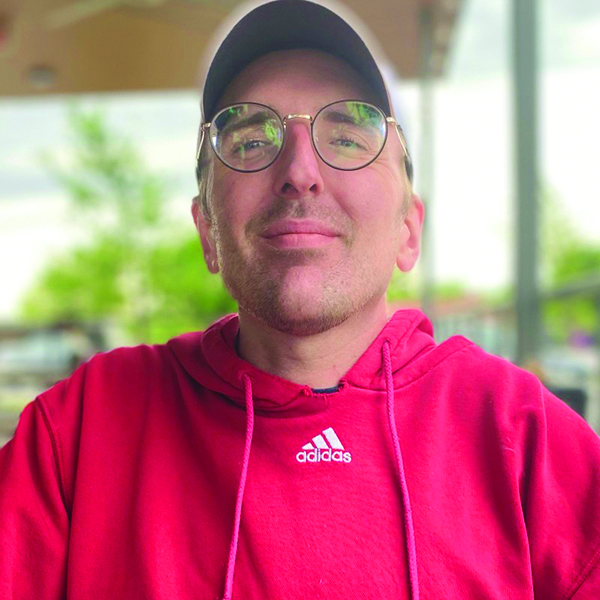
After ten years spent as a professional player, dealer, and floor supervisor, Michael Geronimo tried transitioning into a new business field. But whenever he networked, people were far more interested in his poker experience than anything else. Eventually, he realized the obvious: he already had a business worth building.
In April 2023, Michael launched Texas Poker Culture, a website and brand designed to showcase the industry he knows best. His professional dealer school quickly became his most in-demand offering, filling beginner classes almost entirely through word of mouth.
Since then, he has expanded to include private poker events—birthdays, charity fundraisers, corporate team-building functions, and more. Michael was especially honored to provide services for a Texas State Lawmakers annual event, where he was surprised to learn that many attendees had no idea legal poker rooms even existed in Texas.
TEXAS POKER CULTURE
Poker is having a moment in Texas—and Georgetown is part of it.
Not the high-roller, Vegas-only version people picture, but a modern, social game that feels surprisingly normal. The kind of normal where someone says they are playing poker the same way they would say they’re meeting friends for trivia, pickleball, or an escape room.
Across Texas, players are discovering that live, in-person poker is legal in private social clubs—clean, organized spaces that feel more like community gathering spots than smoky back rooms. Larger clubs like Texas Card House and The Lodge helped set the standard, while places like Georgetown Poker Club make the game accessible close to home.
For first-timers, the biggest surprise usually isn’t the game—it is the atmosphere. These rooms are professional, welcoming, and filled with regulars who remember what it felt like to be new.
Poker also isn’t quite what its reputation suggests. Unlike games of pure chance, poker is a social strategy game. Luck matters, but what keeps players engaged is the mental challenge—reading situations, managing emotion, and improving decisions over time.
That mix is why poker works across generations. Younger players enjoy the structure and competition. Older players treat it like a mental workout. And many stay because poker creates something rare: a place where strangers sit down, talk, and build community.
That’s where Texas Poker Culture comes in—helping people understand the game, the etiquette, and the pace so poker feels welcoming instead of overwhelming. Some tips from Michael:
- Pay attention to the game. Conversation matters, but newcomers learn when talk fits naturally between hands.
- Play premium cards. Starting strong builds confidence and supports better long-term decisions.
- Stay with it. Poker is a lifelong game. It evolves, sharpens thinking, and blends strategy with social connection — which is exactly why its appeal keeps growing.
Scan the code to learn more about Texas Poker Culture.
LET’S PLAY TEXAS HOLD ’EM!
Gone is the knock-three-times-to-enter, smoky, secretive poker room. Today’s Texas poker clubs are legal, friendly, and designed for recreational players of all skill levels. Michael recommends trying your luck at: Georgetown Poker Club • The Lodge Poker Club Round Rock
The Road Gamblers: Texas’ Poker Legends
Before poker tables were televised and tournament fields filled stadiums, the game was shaped by a gritty, fearless group of Texans known as the road gamblers. In the 1950s and ’60s, these men traveled dusty highways from one underground game to the next, carrying only their skill, their bankroll, and the courage required to sit down across from strangers in high-stakes rooms where players could win a lot of money, or a bullet. They lived like poker nomads—crisscrossing the southern states of the USA, always with cash, guns, and cards. Their goal was one thing: to find a game with sufficiently rich opponents and weak abilities.
Doyle Brunson • THE GODFATHER OF POKER
Longworth • Before he was a poker legend, Doyle Brunson was a world-class athlete. Standing 6’2” with NBA-level talent, Brunson’s professional basketball dreams came to an end after he broke his leg—an accident that changed the course of poker history. He turned his competitive fire toward cards and quickly became one of the most formibable Texas Hold ’em players in the world. Known as “Texas Dolly,” Brunson won two World Series of Poker Main Events, both with the same hand, 10–2—now famously called “the Doyle.” Another hand, known as a “Doyle Brunson”, especially in Texas, is the ace and queen of any suit because, in his words, he “[tries] never to play this hand”. His book Super System is still considered the poker player’s bible, laying out strategies that transformed the game from guesswork into calculated skill. Brunson wasn’t just playing poker—he was teaching the world how to think.
Amarillo Slim Preston • The Showman
AMARILLO • Amarillo Slim didn’t just play poker—he sold it. With his cowboy hat, quick wit, and fearless confidence, Slim became poker’s first true ambassador. A 1972 World Series of Poker champion, he helped bring Texas Hold ’em into the mainstream through television and film appearances, famously playing with figures like Larry Flynt and President Richard Nixon. Before tournament fame, he was a road gambler who helped introduce Hold ’em to Las Vegas in the 1960s. He later founded the Super Bowl of Poker, further elevating the game’s profile and authored several books on the game. Thanks to Amarillo Slim, poker gained personality, popularity, and a sense of fun that carried it far beyond smoky back rooms—even inspiring a 1991 video game bearing his name.
Crandell Addington • The Strategist
SAN ANTONIO • Known as “Dandy” for his sharp dress and sharper mind, Crandell brought a rare intellect to the poker table. A self-made millionaire, he earned his degrees right here at Southwestern University before applying that academic discipline to Texas Hold ’em. While others relied on bravado or instinct, he focused on probability, betting patterns, and long-term strategy, famously calling Hold ’em “the only poker game where strategy truly mattered.” Addington competed in the very first World Series of Poker, finishing runner-up in the inaugural Main Event, and played a key role in convincing casino owners that Hold ’em deserved center stage. His analytical approach helped legitimize poker as a game of skill, shaping its evolution from outlaw pastime to competitive sport.
Sailor Roberts • The Silent Force
SAN ANGELO • Quiet, disciplined, and relentlessly consistent, Sailor Roberts was the opposite of a showman—and that made him dangerous. A former Navy serviceman, Roberts carried military precision into every hand he played. He avoided flash, rarely tilted, and outlasted opponents through patience and razor-sharp decision-making. Roberts was a founding figure in professional tournament poker, earning a World Series of Poker Main Event title and multiple final table appearances. Among fellow road gamblers, he was respected as the steady hand—the player who didn’t need theatrics to win. His calm, methodical style helped shape tournament poker’s emphasis on endurance and mental control, proving that sometimes the quietest player at the table is the one to fear most.