
It was the largest animal migration in human history. An estimated six to ten million cattle moved along the Chisholm Trail. Though the cattle drive only existed fewer than 20 years, its legacy is a testament to the spirit of the cowboy culture. Along the way, it earned Texas the number one status in beef cattle production in the United States.
The Chisholm Trail name first appeared in newsprint in the April 10, 1869 edition of the Georgetown, Texas’ Watchman newspaper. The article stated that “the hostile Indians of the Plains have been permanently removed from the route known as the Chisholm Trail and drovers can now take the trail with security from molestation.”
THE CHISHOLM TRAIL WASN’T REALLY A TRAIL
The Chisholm Trail was not a single, unbroken route. It was actually a network of pathways spread over a wide area, which then narrowed at river crossings. Jesse Chisholm, its creator, originally established the wagon road to connect his trading posts. In time, it became known as the safest way to pass through the Indian territory.
Nineteenth-century cattle drives were a rough and tumble business born of necessity. After the Civil War, Texas had an oversupply of cattle, which was valued at only $2–5 per head but the North was facing a beef shortage, and the same cattle could be sold there for $40 per head.
Spanning almost 1,000 miles, the Chisholm Trail started in southern Texas and traveled through Oklahoma to the Pacific railroad’s new station in Abilene, Kansas, where the cattle could be transported by rail.
WANTED: ADVENTUROUS TYPES FOR CATTLE DRIVE
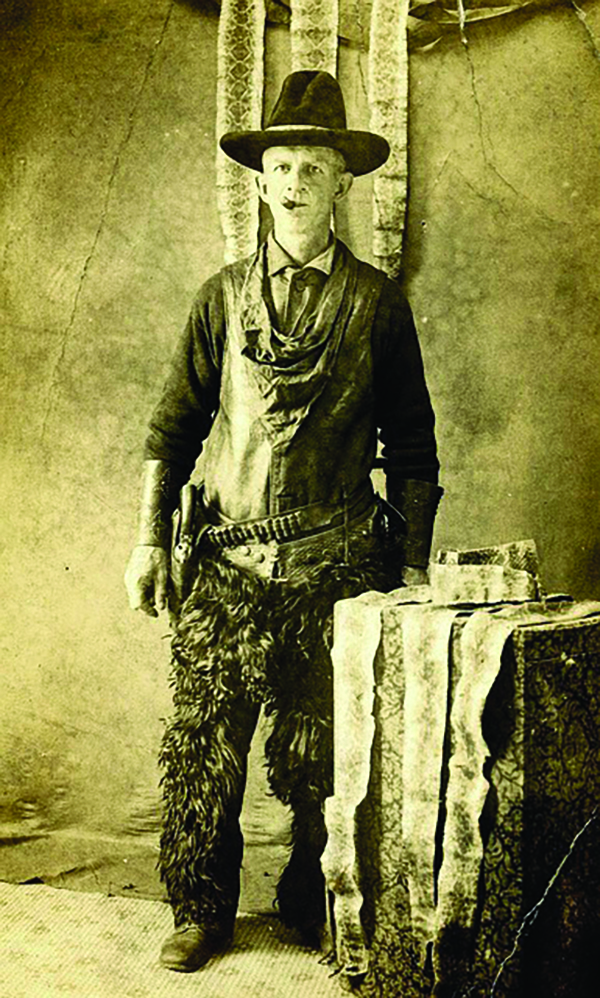
The journey took two to three months, with herds traveling approximately 15 miles per day. From the trail boss, the cook, and the drovers to the least experienced wranglers—sometimes as young as 12 years old—an experienced crew of 12 could manage a herd of 2000-3000 cattle.
Threats were around every corner including floods, river crossings, droughts, stampedes caused by lightning, and thirsty animals becoming crazed at the smell of water.
COWBOYS RIDE THEIR WAY INTO AMERICAN CULTURE
Vaqueros—from the Spanish word “vaca” for cow—were the original drovers. United by their ability and rugged life, the melting pot of white, black, and Mexican vaqueros helped define what would become the Texas “cowboy” over time.
The cowboys of yesteryear might be surprised to see their functional workday gear: wide brimmed hat, waist overalls, bandana, chaps, boots, and spurs–tools to cue their horses—have become fashion statements.
The chuck wagon is a part of our culinary heritage. The horse-drawn mobile kitchen designed for cattle drives was a precursor to today’s food truck. Homage is still paid to its hearty meals at cook-off competitions featuring authentic tools and recipes.
America has celebrated the rugged, independent spirit of the West through literature, art, music, and film. Beginning with “Buffalo Bill” Cody’s spectacular Wild West shows in the late 1800s, the nation began to romanticize cowboy culture and the legends of the frontier. That fascination only grew through Hollywood Westerns starring icons like John Wayne and Roy Rogers, television favorites such as “Rawhide,” and countless songs and stories that transformed the working cattle hand into one of America’s most enduring heroes.
THE RISE AND THE DEMISE OF THE CATTLE DRIVE
While cowboys faced constant danger on the trail, they had little way of knowing the lasting impact the cattle drives were having back home. The booming cattle trade fueled economic growth far beyond the ranches themselves. Banks, railroads, and shipping companies expanded to meet the industry’s demands, while the profits from the cattle boom helped establish legendary operations such as King Ranch. Along the trails, bustling “cow towns” sprang up to provide lodging, supplies, and markets for both drovers and ranchers. Entire industries—including saddle makers, blacksmiths, and other skilled trades—flourished alongside the growing ranching economy. As the industry matured, ranchers also invested in improved breeding programs, fencing, and reliable water sources, laying the foundation for a more efficient and sustainable cattle industry.
By the 1890s, the era of the great cattle drives was drawing to a close. Several innovations and challenges combined to bring an end to the open-range tradition. The invention of barbed wire allowed ranchers to fence their land inexpensively, closing off the trails that had carried millions of Longhorns north for decades. At the same time, expanding railroad lines reached deeper into Texas, allowing cattle to be shipped directly from local railheads rather than driven hundreds of miles to Kansas. Adding to these changes, outbreaks of Texas Fever—a tick-borne disease that threatened northern herds—led many states to quarantine cattle from Texas. Together, these developments made the great cattle drives increasingly impractical, marking the end of one of the most iconic chapters in American history.
WHAT DRIVES TODAY’S CATTLE MARKET?
While the days of long cattle drives have passed, the spirit of the Chisholm Trail lives on at Capitol Land & Livestock in nearby Schwertner. General Manager Tom Madden says the business still faces many of the same challenges as the trail drivers of old—working through mud, dust, harsh weather, and the unpredictable nature of livestock. The biggest difference, he notes with a smile, is that today’s cowboys load cattle onto 18-wheelers instead of driving them north on horseback.
Recognized as one of the nation’s largest cattle dealers, Capitol Land & Livestock employs more cowboys than any other operation in Central Texas. Those cowboys continue to work more than 20,000 acres, relying on many of the same horsemanship and cattle-handling skills their predecessors used more than 150 years ago.
In addition to buying and marketing cattle, the company offers specialized services for ranchers, including a unique weaning program that allows freshly weaned calves to adjust from mothers’ milk to feed before being shipped. The program helps reduce stress on the animals while preparing them for the next stage of production.
For President and CEO Jim Schwertner, the connection to the Chisholm Trail is also deeply personal. His great-grandfather, Adolph Schwertner, rode the trail during the great cattle-drive era. It’s unlikely he could have imagined those rugged journeys would one day evolve into a thriving cattle enterprise—or that they would help establish Texas cowboy culture as one of the most recognizable symbols of the American West.