
Pizza, wings, and beer. It’s a tried-and-true trio that’s graced game day tables and backyard cookouts for decades. But while that combo is a fan favorite, there’s a whole world of beer and food pairings waiting to be explored—and it’s a lot more nuanced (and flavorful) than you might think.
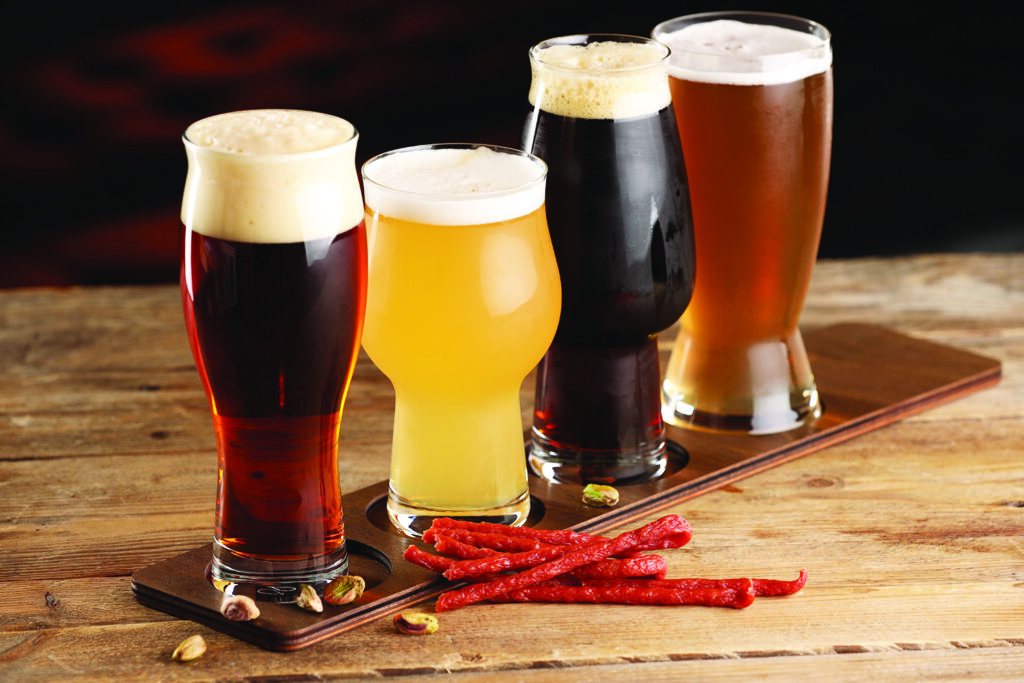
Just like wine, beer offers a complex range of styles, flavors, and characteristics that can complement, contrast, or even elevate the dishes we enjoy. The key is learning a few pairing principles and being willing to experiment beyond the usual suspects. Thanks to the rise of craft breweries, today’s beer drinkers have more variety and flavor profiles at their fingertips than ever before, making the exploration of beer-and-food pairings both accessible and enjoyable.
Whether you’re hosting a dinner party, planning a tasting menu, or just trying to elevate your next Tuesday night taco night, matching your meal with the right beer can take things from ordinary
to unforgettable.
The Basics of Beer Pairing
Before diving into specific styles and suggestions, it helps to understand the core principles of food and beer pairing:
- Match Intensity: Light dishes work best with lighter beers, while richer, more intense foods need a beer that can hold its own. A delicate grilled fish might be overwhelmed by a stout, while a bold curry needs something robust like an IPA.
- Complement or Contrast: You can either pair flavors that echo each other (e.g., a malty beer with a sweet dish) or create contrast (e.g., a crisp lager to cut through a rich, fatty meal).
- Think About Texture: Carbonation can act like a palate cleanser, making fizzy beers a great match for oily or fried foods.
- Mind the Finish: Some beers leave a lingering bitterness, sweetness, or dryness. Think about how that aftertaste will interact with your next bite.
With those ideas in mind, let’s explore some classic pairings, courtesy of the Brewers Association and craft beer aficionados across the country.
Brew & Bite Guide
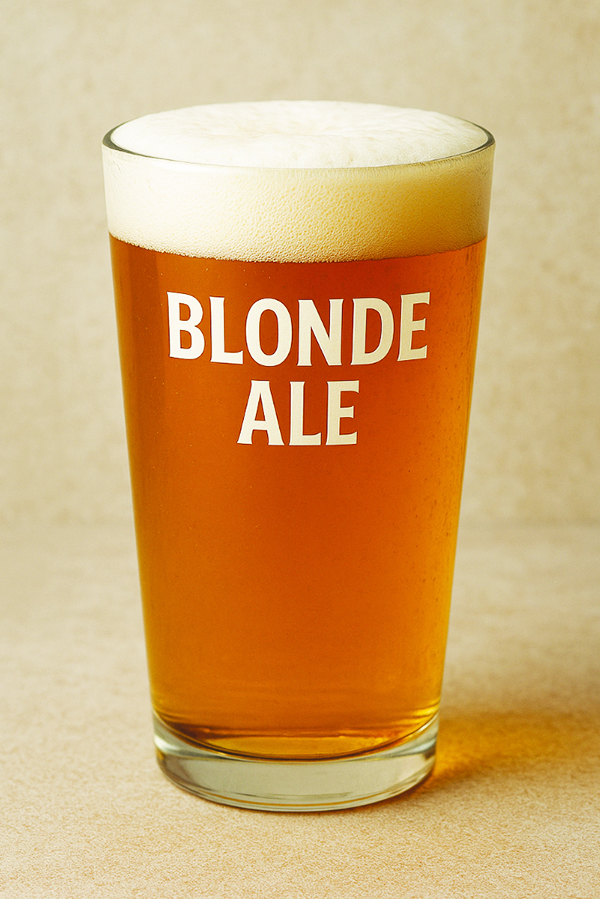
BLONDE ALE: Crisp, light, and a little sweet, this approachable beer style is ideal for delicate dishes. Think grilled chicken, leafy salads, or mild cheeses like Havarti or brie. It’s also a perfect choice when you’re not sure what your guests are eating—it plays nicely with many dishes.
India Pale Ale (IPA): With its hoppy bitterness and often citrus or floral notes, an IPA can be a bold dining companion. It works well with spicy fare—think buffalo wings, Thai curry, or even spicy barbecue. IPAs also shine with bold desserts like carrot cake or mango cheesecake, where sweetness balances bitterness.
Amber or Red Ale: Mellow and malty with just a touch of sweetness, amber ales offer versatility. Pair them with burgers, grilled seafood, roast chicken, or Cajun dishes. The subtle caramel notes in amber ales can complement roasted vegetables or even mildly spicy Latin foods.
Porter: Rich, roasty, and often chocolatey, porters pair beautifully with smoked meats, grilled sausages, or barbecue. If you’re roasting root vegetables or blackening fish, this dark beer holds its own. It’s also a lovely match for desserts like chocolate lava cake or s’mores.
Dark Lager, Dunkel, Schwarzbier: These German-style dark lagers offer a roasty profile without being heavy. They pair excellently with roasted meats, spicy sausages, burgers, and even pizza. If you’re doing Oktoberfest at home, this is your go-to.
Hefeweizen: A cloudy wheat beer with notes of banana and clove, hefeweizens are a summer favorite. They’re great with seafood, salads with citrus dressings, and light sausages like weisswurst. Sushi also plays well here, especially vegetarian or shrimp rolls.
Imperial Stout: This is the heavyweight of the beer world—thick, strong, and often aged. It can overpower lighter dishes, but with foie gras, smoked duck, or rich aged cheeses like Gouda or sharp cheddar, it’s a star. For dessert, try it with flourless chocolate cake, fudge brownies, or even a scoop of vanilla bean ice cream.
American Wheat Ale: Clean and crisp, with subtle sweetness, wheat ales pair well with sushi, salads, and lighter fare. They don’t typically hold up to desserts, but can be a refreshing match with melon, citrus fruits, or mild goat cheese.
Advanced Pairing Tips
Once you get comfortable with basic pairings, try using beer to manipulate how your meal *feels*. Beers with strong carbonation, pronounced bitterness (from hops), or roasted malt can cut through fatty dishes, balance out umami-rich foods (like mushrooms or aged cheese), and even add depth to acidic dishes like ceviche or tomato-based pastas.
Meanwhile, a sweet or malty beer can soothe the heat in a spicy dish. For example, a milk stout can mellow out spicy mole enchiladas, while a brown ale can temper the tang of vinegar-based barbecue sauce.
Also, consider the alcohol content—higher ABV beers will feel “hotter” and more intense, which can overwhelm some dishes but stand strong beside rich cuts of meat or oily dishes.
Don’t Be Afraid to Play
In the end, pairing beer with food should be a fun, personal experience. You don’t have to follow all the “rules”—use them as guidelines, but trust your taste buds. Start with what you enjoy drinking, then look for foods that might elevate or balance that flavor. Keep notes, try flights, host pairings with friends, and experiment.
Craft brewers have already done the hard part—creating a stunning spectrum of beers to explore. All you have to do is pour a glass and dig in.