
Thanksgiving preparations offer lessons in math, science, reading, and a little family history
A Thanksgiving kitchen has plenty of jobs to go around. Someone is counting potatoes, measuring flour, checking a recipe, or figuring out whether one baking dish will feed everyone at the table. Invite a child into that work, and an ordinary holiday task becomes a chance to practice skills that reach well beyond supper.
Jennifer Powell, M.S., C-PT, Family and Community Health Extension Agent with Texas A&M AgriLife Extension Service in Williamson County, sees that learning firsthand. Through school programs and monthly family nutrition workshops, she helps children and adults put practical skills to work together.
“The kiddos love making salad dressing,” Jennifer says. “Preparing it themselves has helped get children interested in eating salads, giving them a personal stake in what reaches their plates.”
Texas A&M’s Institute for Early Childhood Development & Education identifies cooking as an opportunity to explore math, vocabulary, science, sequencing, and fine-motor skills and holiday preparations provide plenty of opportunities to put those ideas into practice.
MEASURING UP
For younger children, start with counting apples, naming ingredients, or scooping oats into a bowl. Ask which measuring cup holds more and what happens next. Pouring and stirring give small hands practice, while following directions introduces the importance of order and process.
Older children can tackle the numbers behind the meal. If a crumble calls for 1½ cups of cranberries, how much will a double batch need? A recipe serving eight provides another practical problem when 12 people are coming.
The lesson can begin at the grocery store. Compare prices and package sizes, check the pantry, and let teens calculate a dish’s cost per serving. Jennifer recently brought that everyday thinking into a workshop she called “Lunchbox Remix,” exploring how families could prepare lunches at home and choose what to include.
Reading and science belong at the counter, too. Have a child read a recipe step aloud and explain it. Ask what might happen when butter warms or ingredients are combined, then compare the prediction with the result. Leave room for questions and discoveries.
GROWING CURIOSITY
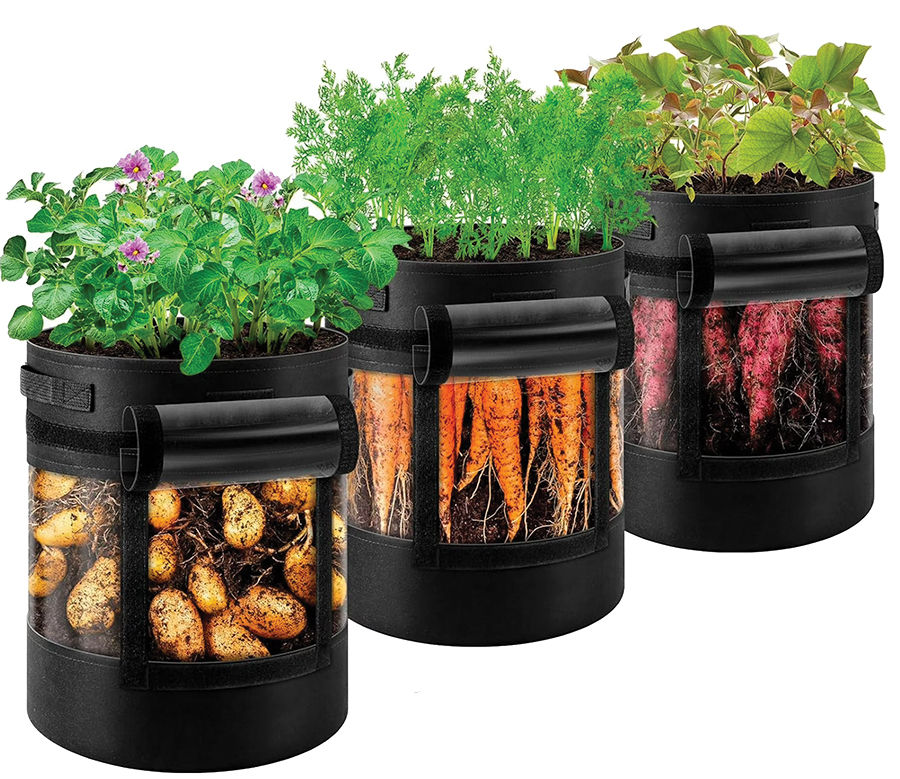
Jennifer also encourages families to begin before the ingredients reach the kitchen. Growing vegetables gives children opportunities to water, observe, and harvest something they helped produce. Grow bags offer an option for families with limited space.
“They love watching to see if things are growing,” she says. That interest can expand to the pollinator plants that support a garden. Following food from a growing plant to the dinner table brings nutrition, outdoor activity, and curiosity into the same conversation.
ADDING CONFIDENCE
Jennifer also introduces kitchen safety alongside the fun. She uses plastic knives to help younger children practice cutting, showing them how to keep their fingers clear. Parents should ensure tasks suit each child’s experience and abilities, with plenty of supportive adult supervision.
Handwashing and washing produce are also regular parts of her lessons. She encourages children to think about what they have touched and how germs can travel. “Everything you touch can then get on your food and it can make you sick,” she explains.
Start with clean hands and work surfaces, keep raw meat separate from ready-to-eat foods, and save tasting dough or batter until it is fully cooked.
For a busy holiday cook, begin with one helper and one manageable job. Set aside ingredients to measure and allow time for spills. Mixing a topping or arranging the table gives a child a contribution to point out when everyone sits down.
FAMILY TRADITIONS
Thanksgiving preparations can also introduce family history. Ask a grandparent where a recipe came from, write down a handwritten card’s missing instructions, or let a child interview the relative who brings the same dish every year.
Jennifer’s goal is to involve the whole family in learning. Around the holidays, that can start with the meal already on the calendar—and a place at the counter for someone eager to help.
Little Helpers, Growing Skills
- Adapt these suggested activities to each child’s abilities and supervise.
- Ages 3–5: Wash apples, count ingredients, stir a cool mixture, and describe what comes first and next.
- Ages 6–8: Measure oats or flour, compare cup sizes, read short directions, and help set the table.
- Ages 9–12: Scale a recipe, measure accurately, and prepare a simple dish with adult guidance.
- Teens: Compare grocery unit prices, calculate cost per serving, and coordinate a dish’s preparation with the family’s meal schedule.